
We want every young person at Code Club to be able to build their skills, feel confident using technology, and have fun. To make sure our activities meet the needs of both clubs and creators, we constantly review what we’re doing, gather evidence about what works, look at the latest research, and ask ourselves questions like, “What are young people learning in Code Club?”
For example, we closely studied the independent evaluation of Code Club’s impact carried out by researchers at Durham University. They looked at how Code Club affects young people’s attitudes towards learning, how they feel about coding, and their progress in coding.
To build on this research, we recently launched the Insights pilot project to explore two questions in more depth:
- What do young people learn in Code Club?
- How do clubs use Code Club projects to support learning?
Thanks to the clubs, mentors, and young people who took part, we’re starting to gain new insights into the skills, confidence, creativity, and sense of belonging that young people develop through Code Club.
Who took part and what did they do?
Code Clubs from seven countries participated in the project, these were the UK, South Africa, Italy, the United States, Canada, Ireland, and Albania.
In total:
- 91 clubs completed mentor surveys
- 502 young people completed baseline surveys
- 105 young people completed endline surveys
- 79 young people completed both surveys, allowing us to look at changes over time
Although fewer clubs completed the endline survey than we had hoped, the project still generated a rich dataset about young people’s experience in Code Clubs.
What are young people learning?
One of the most encouraging findings is that young people reported high levels of interest and confidence in coding.
Across the participating clubs, young people reported:
- Strong interest in coding (8.4 out of 10 on average)
- High levels of belonging, with many feeling that they know other people who are interested in coding (8.7 out of 10)
- Positive levels of creative thinking (7.9 out of 10)
- Good communication and problem-solving skills
Learning over time
While the number of matched responses was too small to draw firm conclusions, the findings suggest that Code Club is helping young people develop interest in coding.
We also saw some interesting differences between groups, although our sample size was small. For example, male creators reported increased problem-solving skills over time, while female creators and those who preferred not to give their gender showed increased confidence in learning coding independently.
What do Code Clubs look like?
One of the most interesting findings from the project is just how varied Code Clubs are.
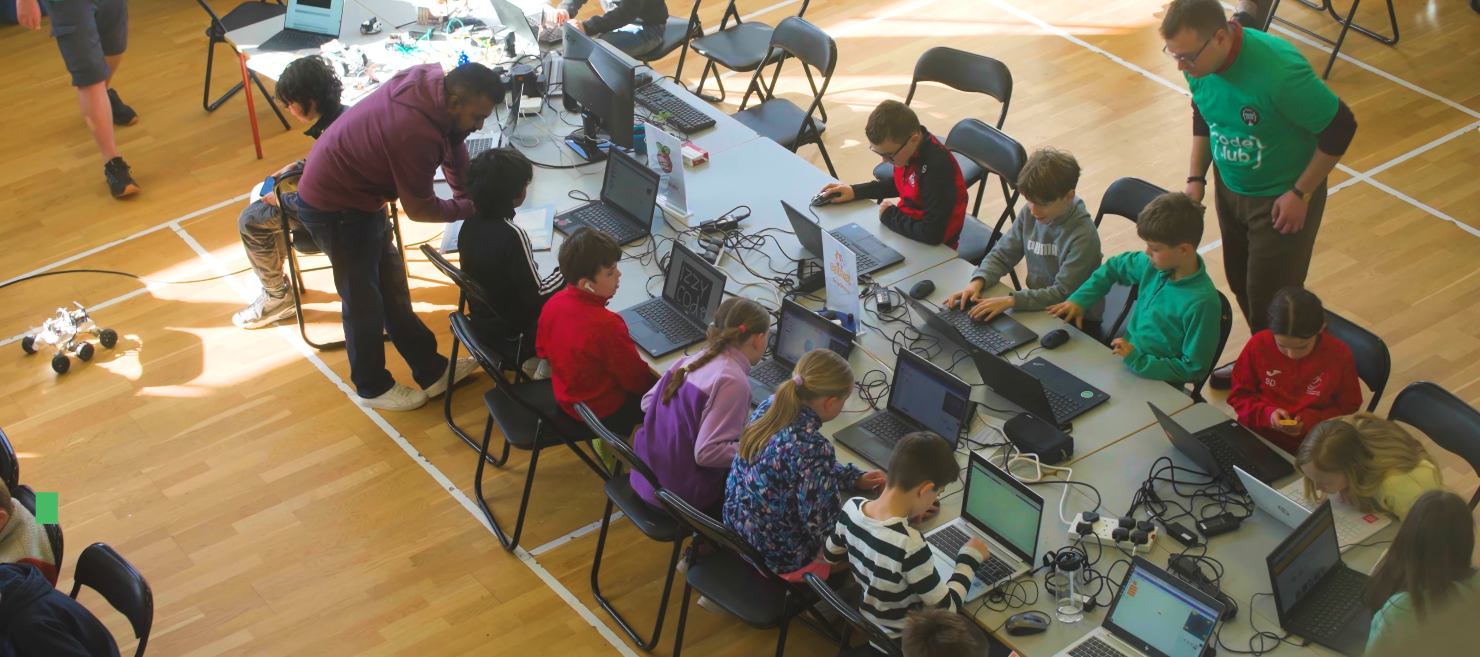
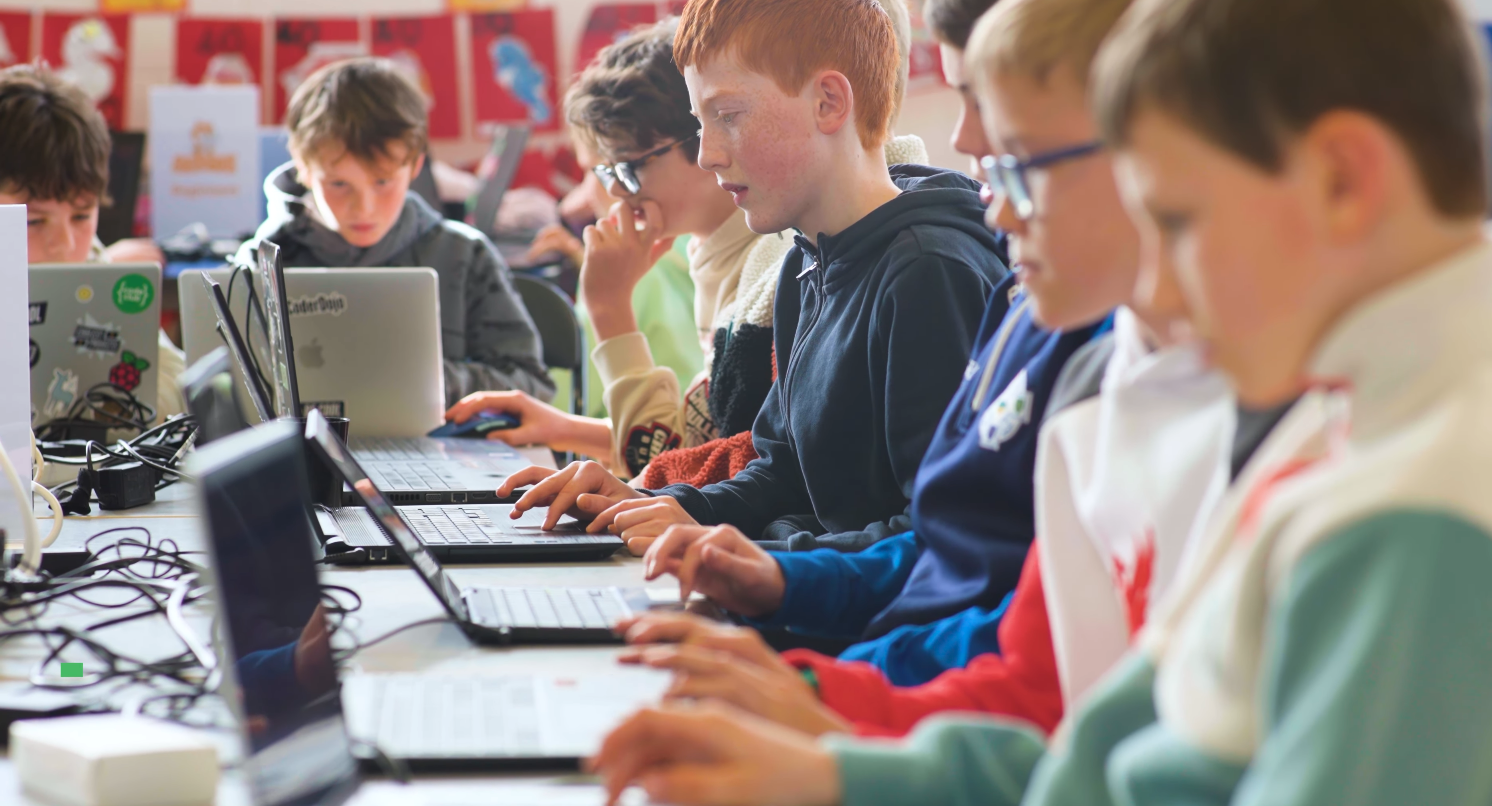
Some clubs focus primarily on one technology, such as Scratch, while others regularly use a range of technologies including Python, web development, robotics, microcontrollers, and physical computing.
Clubs also vary in how projects are chosen:
- Some are largely mentor-led
- Some give creators complete freedom to choose their own projects
- Others use a mixture of both approaches
Despite these differences, mentors expressed remarkably similar values and motivations in relation to their clubs. While clubs differed in their form and delivery, they were united by a shared ethos centred on encouraging creativity and developing soft skills alongside coding skills.
How are clubs using Code Club projects?
The project also helped us better understand how mentors use Code Club projects. We found that clubs use projects in many different ways, for example:
- Following projects independently on screen
- Working through projects together as a group
- Using printed project guides
- Combining Code Club projects with their own activities and resources
Many clubs reported using printed resources, highlighting the importance of making projects accessible in different formats.
The data also suggests that clubs making regular use of Code Club projects report higher average scores across a range of outcomes, including problem solving, creative thinking, communication, interest in coding, and confidence. However, further research is needed to understand exactly what factors contribute most strongly to these outcomes.
What else makes a great Code Club experience?
The mentor surveys revealed several common features across clubs. Many mentors reported regularly using:
- Peer learning and collaboration
- Creator recognition and celebration
- Club rules and positive behaviour expectations
- Opportunities for young people to support each other
Mentors also described activities such as icebreakers, show-and-tell sessions, youth mentoring, and opportunities for young people to share their projects with others.
These approaches may play an important role in helping young people build confidence, creativity, communication skills, and a sense of belonging.
What have we learned from the pilot?
Perhaps the biggest learning from this project is that Code Clubs are incredibly diverse, but they share a common commitment to helping young people learn, create, and grow.
The pilot also helped us:
- Develop new ways of understanding different types of Code Clubs
- Test tools for measuring learning outcomes
- Gather evidence about how young people experience Code Club
- Identify improvements for future evaluation work
While the study was not able to conclusively demonstrate learning gains over time due to low endline participation, it provided strong foundations for future research and highlighted several promising areas for further investigation.

What’s next?
This is just the beginning.
We’ll be using what we’ve learned to improve our evaluation tools, better understand the different ways clubs operate, and continue exploring how Code Club supports young people’s learning.
Future work will include looking at project data from the Code Editor, gathering more feedback from young people, and finding new ways to make participation easier for clubs.
If you are interested in taking part in future Code Club research, please let us know
Thank you!
A huge thank you to every mentor, creator, partner, and club that contributed to the Code Club Insights pilot.
Your participation has helped us learn more about the amazing work happening in Code Clubs around the world and will help shape the future of Code Club for years to come.


You must be logged in to post a comment.